
Get started
Get started


In addition to following federal regulations, fuel monitoring is an integral part of fleet fuel management, allowing companies to keep a close eye on their fuel consumption and usage patterns. By doing so, businesses can effectively reduce their fuel costs and improve the overall efficiency of their fleet.
Fuel monitoring can support efforts to reduce fuel usage and environmental impact. Interested in how a fuel monitoring system can help your business? The sections below explain
Fuel monitoring involves the tracking and analysis of fuel usage in vehicles. This means you can monitor fuel consumption, identify inefficiencies, and make data-driven decisions to improve fuel efficiency. There are different types of fuel monitoring systems available, including real-time fuel monitoring and fuel consumption tracking, which we will discuss in greater detail below. But first, we will address the benefits.
Did you know that 27% of the greenhouse gases that the U.S. emits every year come from the transportation sector? 1 Fleet fuel management software plays a vital role in effectively managing and monitoring fuel usage within a fleet by supporting:
Overall, monitoring fuel data can help you identify some of the most fuel-efficient vehicles for your fleet and help reduce maintenance costs by proactively resolving issues early.
{{CTA}}
There are different types of fuel monitoring systems available, including:
Other fuel monitoring systems include an ultrasonic fuel level sensor, which uses sound waves for measuring levels in the tank, and hybrid systems, combining different technologies to provide accurate and reliable fuel monitoring.
Fuel card controls can help validate fuel transactions against vehicle parameters, such as tank capacity and location. In addition, it can verify that your driver's authorized vehicle is within 100 meters of the merchant's location for card transactions. If not, the transaction will be automatically blocked.
Fleet fuel monitoring helps businesses improve fuel management by comparing fuel usage data with expected vehicle behavior across day-to-day fleet operations. When monitoring reveals irregular patterns, such as unusually high fuel usage or inconsistent purchase activity, fleets can proactively investigate potential issues and reduce costs before they escalate.
Many fleet fuel management systems include alerts that flag scenarios such as fuel volumes exceeding tank capacity or purchases made outside approved locations. These signals help fleets reduce fuel waste, support fleet safety, and maintain stronger oversight of fuel spending without disrupting operations.
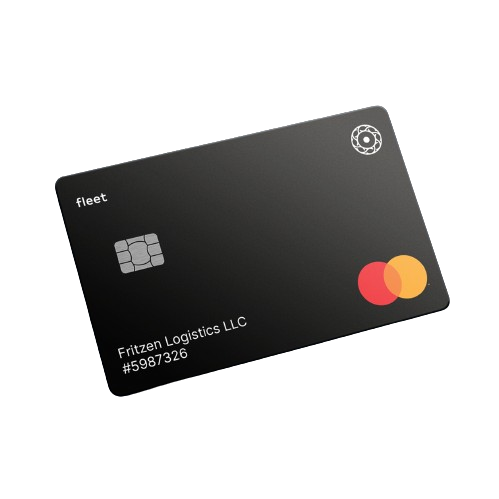
When fuel monitoring is paired with a fleet card or other controlled payment card tools, businesses gain clearer visibility into how drivers purchase fuel. This combined approach helps fleets take greater control of fuel usage, improve accountability, and support long-term cost savings.
Fuel monitoring involves using the fuel sensor, software, and data analysis to track and optimize vehicle fuel consumption. To start, sensors are installed in the vehicles, tracking fuel consumption in real time.
The fuel data collected by these sensors is analyzed using specialized software to understand the amount of fuel used by each vehicle and identify inefficiencies in fuel consumption patterns.
With this information, businesses can make strategic decisions to improve fuel efficiency and help reduce fleet expenses, ultimately resulting in advanced and streamlined operations.
To gain meaningful insight from fleet fuel monitoring, businesses often review key data through a centralized dashboard that brings together fuel usage and broader fleet data. This view allows teams to understand how much fuel is being used, where inefficiencies occur, and how fuel consumption impacts overall efficiency and cost.
Common metrics fleets track include fuel consumption by vehicle, fuel economy trends, idle-related fuel usage, and differences in fuel spend by location or route. Reviewing these related metrics alongside driver performance and driving habits helps fleets identify patterns that may contribute to higher fuel costs.
By monitoring these metrics consistently, fleet owners and operators can make informed decisions that help reduce fleet fuel costs, support an efficient fleet, and improve overall performance while keeping vehicles running reliably.
There are several strategies businesses can implement to improve fuel efficiency through monitoring, such as:
Fuel monitoring can be integrated with other fleet management systems to further enhance the efficiency of your business. For instance, by integrating fuel monitoring with telematics, you can gain insight into driver behavior and vehicle performance, allowing you to make data-driven decisions to improve fuel efficiency.
Combining these systems can also help with preventive maintenance, which can help identify issues that can negatively impact fuel efficiency. Additionally, route optimization systems can be integrated with fuel monitoring to identify some of the most fuel-efficient routes for each trip, leading to significant savings over time.
Fuel monitoring is essential for businesses that rely on fleets to operate. By tracking fuel consumption and identifying areas of inefficiency, businesses can significantly reduce fuel costs, improve their fleet's performance, and reduce their carbon footprint.
By implementing the strategies outlined above and integrating fuel monitoring with other fleet management systems, businesses can optimize their fleets and improve their bottom line.
At AtoB, we offer tools to help you streamline your fuel monitoring processes and stay informed about your fuel usage. You can use our advanced telematics integration for vehicle location tracking, fuel level tracking, and to help prevent fuel card fraud. With real-time reporting, our monitoring solutions can help you stop any suspicious behavior.
In addition to allowing you to combine fleet and fuel expenses in one transparent and easy-to-use solution, our fleet fuel card offers competitive discounts and powerful security controls—helping you save money and offering peace of mind.
Get started with fuel monitoring and take advantage of these benefits today!
Sources:
1 Contributor, 3p. “How Fleet Management Can Reduce Your Carbon Footprint.” TriplePundit, 9 Mar. 2016, https://www.triplepundit.com/story/2016/how-fleet-management-can-reduce-your-carbon-footprint/27841.

.jpg)