
Get started
Get started

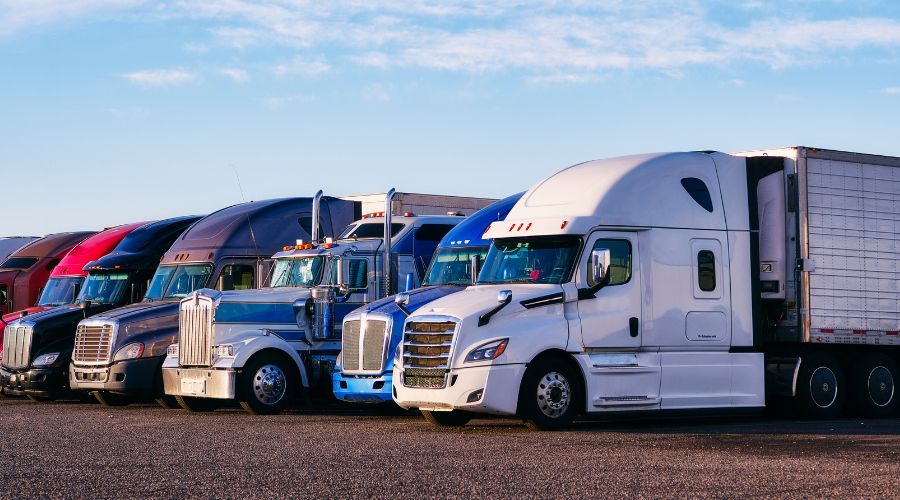
Freight factoring has become a financial lifeline for trucking companies facing the trucking industry's most persistent challenge: waiting 30, 60, or even 90 days to get paid while covering immediate costs like fuel, driver wages, and maintenance. For carriers navigating today's competitive freight market, understanding how freight factoring works—and whether it is the right solution for your trucking business—can mean the difference between steady business growth and constant cash flow stress.
Freight factoring is a financial solution in which carriers sell their invoices to a factoring company in exchange for immediate cash flow.
{{CTA}}
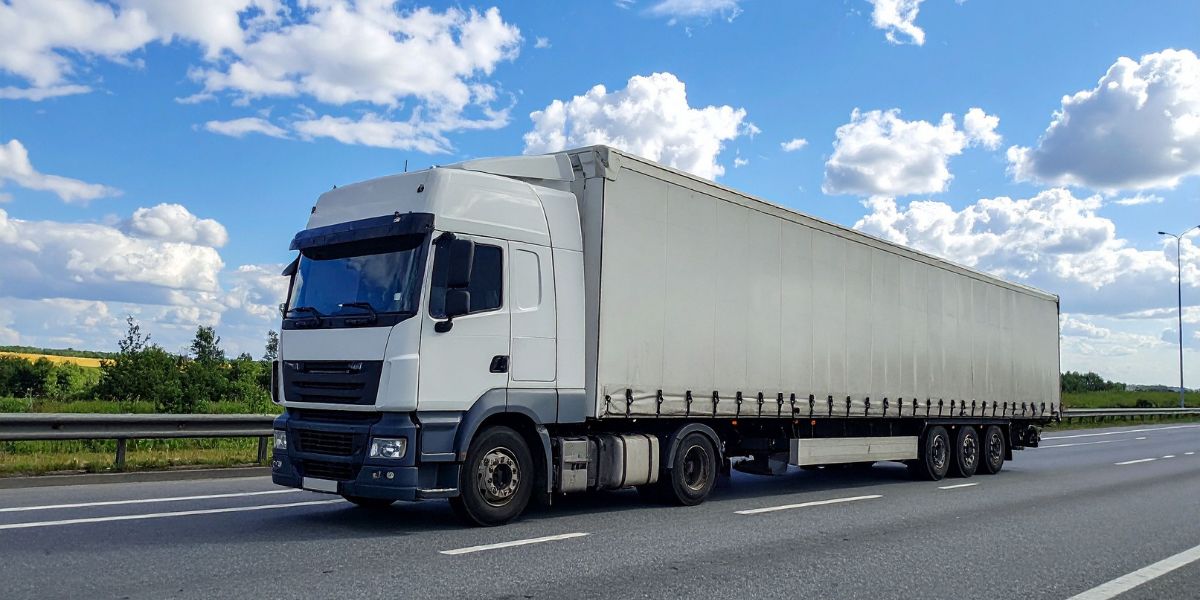
In freight factoring, trucking businesses sell their invoices to a third-party company to receive instant payment instead of waiting for customers to pay. Instead of waiting weeks or months for brokers and shippers to pay invoices , carriers receive 80-95% of the invoice value within 24-48 hours of delivery confirmation. Freight invoice factoring helps carriers maintain steady cash flow by converting unpaid invoices into working capital.
After purchasing the invoice at a discount, the factoring company handles collection and payment follow-up. In non-recourse agreements, they assume payment risk if the broker defaults; in recourse agreements, you remain liable if the customer never pays. Once customers pay the full invoice amount, factoring companies release the remaining balance to the carrier, minus their flat factoring fee. In addition to advancing invoices, factoring companies can strengthen their service offerings with a factoring referral partner that integrates fuel savings and financial management tools, giving carriers more comprehensive cash flow support.
This straightforward process transforms accounts receivable—money you are owed but have not received—into working capital you can use immediately to fuel trucks, pay drivers, cover maintenance, and keep your operation moving.
The freight factoring process follows a streamlined cycle that most carriers can complete in minutes per transaction:
Step 1: Deliver the Load: You complete a haul and obtain a signed bill of lading (BOL) or proof of delivery from the customer.
Step 2: Submit the Invoice: You send the invoice, BOL, and rate confirmation to your factoring company—typically through a mobile app or online portal.
Step 3: Verification: The factoring company verifies the delivery with your customer and confirms the invoice details are accurate. This usually takes a few hours.
Step 4: Receive Your Advance: Once verified, you will receive 80–95% of your invoice amount directly to your bank account or fuel card, often on the very same day.
Step 5: Customer Pays the Factoring Company: The factoring company manages collections and waits for your customer to pay the invoice under their normal terms (net 30, net 60, etc.).
Step 6: Receive Your Reserve: After the customer pays, the factoring company releases the remaining balance to you, minus their factoring fee and any additional charges.
Unlike traditional business financing, there is no debt created and no fixed monthly payments—you only pay fees on the freight invoices you choose to factor. This process allows carriers to use factoring as a flexible tool to keep their business running without relying on delayed customer payments.
The primary advantage is speed. Freight factoring eliminates the 30-90 day wait between delivery and payment, converting completed work into usable capital within hours. This allows you to:
Unlike bank loans that scrutinize your credit history, factoring companies primarily evaluate your customers' creditworthiness. This means the factoring solution remains accessible to:
Beyond funding, many factoring companies provide valuable back-office services included in their fee:
For small operations without a dedicated team, these services often justify factoring costs even when alternative financing is available.
Factoring grows with your business. Factor $10,000 one week and $50,000 the next—you only pay for what you use. There is no borrowing limit based on your company's size or credit history, just practical limits based on your invoice volume.

Factoring fees of 2-5% per invoice translate into effective annual rates that can exceed traditional loan interest rates, especially if you are factoring invoices with 30-day terms throughout the year. A carrier paying 3% to factor $50,000 monthly spends $18,000 annually—potentially more than a business line of credit would cost.
Factoring requires notifying your customers that they should pay the factoring company, not you. While this has become standard in the transportation industry—most brokers work with factored carriers daily—some carriers worry about perceptions of financial instability.
Beyond the base factoring rate, additional costs can accumulate:
With recourse factoring (the most common type), you remain liable if a customer does not pay. If payment is not received within 90–120 days due to broker default or bankruptcy, the factoring company may require you to reimburse the advance or repurchase the invoice.
Under recourse factoring agreements, you retain responsibility if customers do not pay within the agreed timeframe (typically 90-120 days). If a broker defaults, you must:
Pros:
Cons:
Best for carriers working with established, creditworthy brokers where payment risk is minimal.
In non-recourse agreements, the factoring company assumes the risk of non-payment if a customer fails to pay due to insolvency or bankruptcy. You receive your advance and keep it regardless of whether the customer ever pays.
Pros:
Cons:
Best for owner operators with tight margins, carriers working spot freight with unknown brokers, or operations unable to absorb unexpected losses.
Spot factoring lets you factor individual invoices rather than committing all invoices to factoring. This flexibility lets you:
However, spot factoring typically comes with higher per-invoice rates (4-6%) and does not offer volume discounts.
{{CTA}}
Several factors influence the factoring rate you will receive:
Rates are also influenced by the risk of non-payment associated with your customers and their payment history.
Choose factoring when:
Choose traditional financing when:
Many successful carriers use both factoring for day-to-day working capital and traditional loans for major equipment purchases. Modern payment solutions like AtoB can complement factoring by providing instant fuel payment with universal acceptance and built-in expense management tools.
Most factoring companies offer streamlined application processes:
On average, the process takes about 3–7 business days to finalize. Some providers offer same-day approval for carriers with established broker relationships.

Look for providers that:
Red flags: Vague "custom pricing," high-pressure sales tactics, reluctance to provide written fee schedules, or advertised rates "as low as" without clear qualification criteria.
Do not just compare headline rates. Request itemized fee schedules and calculate your total effective rate based on your actual transaction patterns. A company advertising 2% with $450 in monthly fees may cost more than a competitor at 3% with zero additional fees.
Ask about:
Critical details to review:
Factoring companies specializing in the trucking industry understand nuances such as IFTA reporting, fuel card integration, and broker credit evaluation. They are more likely to offer tailored factoring solutions and reasonable terms compared to general-purpose factoring firms.
Also read: Best Prepaid Fuel Cards
Freight factoring is worth it when immediate cash flow access justifies the cost—typically 2-5% of invoice value. For carriers unable to wait 30-90 days for payment, managing tight margins, or lacking access to traditional financing, factoring provides essential working capital that keeps operations running smoothly. Calculate your true effective cost and compare it against the value of having money available immediately versus waiting weeks or months.
Freight factoring rates typically range from 1% to 5% of invoice value, with most carriers paying 2% to 3%. Exact rates depend on your monthly volume (higher volume = lower rates), your customers' creditworthiness (better customers = lower rates), invoice payment terms (shorter terms = lower rates), and whether you choose recourse or non-recourse factoring. Volume discounts can significantly reduce rates; carriers factoring $100,000+ monthly often secure rates below 2%.
The most profitable freight types vary by market conditions, but specialized freight typically offers higher margins:
However, profitability depends on your specific operation, equipment, and relationships. The "best" freight is often what matches your equipment capabilities while providing consistent volume from reliable, prompt-paying customers.
Freight factoring offers trucking companies a practical solution to the industry's most persistent challenge: getting paid fast enough to keep operations running smoothly.
Whether a factoring solution is right for your operation depends on your specific needs, including:
By combining invoice factoring with efficient expense management, you can control both sides of the financial equation. Whether you leverage factoring, traditional credit lines, or a hybrid strategy, the goal remains the same: understanding your true cost of capital and selecting partners that ensure financial flexibility.
Ready to explore better payment and expense management solutions for your fleet? Get started with AtoB today and discover how modern financial tools can help you reduce costs, improve visibility, and keep your operation moving forward.
{{CTA}}
[1] https://www.fmcsa.dot.gov/
[2] https://truckingresearch.org/
[3] https://www.transportation.gov/
[4] https://www.sba.gov/
[5] https://www.federalreserve.gov/

.jpg)