
Get started
Get started


In the fast-paced transportation industry, understanding what fleet technology is and its potential impact is crucial for staying competitive. Advanced fleet technology offers innovative tools and systems designed to optimize fleet operations. From enhancing safety and security to driving significant cost savings, these technologies are transforming how fleet managers oversee and operate their fleets.
From improving safety and supporting fleet maintenance to helping businesses maximize efficiency, these tech solutions are reshaping how fleets operate. In this article, we will discuss the top seven advantages of integrating advanced fleet technology and highlight how these technological advancements can revolutionize fleet management.
Fleet technology refers to the tools and technology that make day-to-day fleet operations more efficient, visible, and manageable. Modern fleets increasingly use integrated fleet management approaches to unify data and reporting across vehicles and assets.
At its core, fleet technology includes fleet management solutions that support safety, compliance, cost control, and operational efficiency. These solutions combine automation, data analysis, and the use of telematics to help fleet businesses manage tasks more efficiently.
Common types of fleet technology include:
Together, these technologies help fleet operators manage day-to-day tasks, respond to changing weather conditions, and maintain better oversight of operations. Many platforms use machine learning to surface operational insights over time without adding administrative burden.
One of the most significant benefits of advanced fleet technology is its impact on safety and security. By integrating sophisticated systems, fleet managers can drastically improve safety measures and security protocols for both fleet drivers and vehicles.
Advanced fleet technology allows for the real-time monitoring of driver behavior, such as speeding, harsh braking, and rapid acceleration.1 This electronic data helps fleet managers identify risky behaviors and implement training programs to improve driver safety. For example, a fleet manager might notice that a particular driver frequently exceeds speed limits. With this insight, they can provide targeted training to help the driver adhere to safe driving practices.
Some fleet technology platforms include geofencing capabilities that alert managers when vehicles or trailers enter or exit defined locations, helping support security and operational oversight.
By tracking performance metrics through a centralized dashboard, fleet managers can ensure compliance with safety regulations and enhance overall fleet efficiency. This proactive approach safeguards drivers and valuable assets. For instance, integrating dashcams and telematics can provide video evidence and detailed reports on driver performance, helping to address issues before they escalate.
Advanced fleet technologies, such as collision avoidance systems and automatic braking, further contribute to safety by preventing accidents. These technologies can detect potential hazards and take corrective actions faster than human drivers, reducing the likelihood of collisions and improving overall road safety.
Integrating advanced technology into fleet management systems can lead to significant improvements in operational efficiency and productivity. Fleet managers can optimize routes, reduce idle times, and streamline operations with data-driven insights.
Here are some ways a fleet management technology improves efficiency and productivity:
Real-time tracking and monitoring capabilities are game-changers for fleet management. These technologies provide fleet managers with the ability to make better decisions and allocate resources more effectively.
Real-time tracking and analysis of fleet performance also enhances customer service by providing accurate ETAs and allowing customers to track their deliveries in real-time. This transparency builds trust and improves customer satisfaction.
Fuel is one of the highest operational costs for any fleet. Advanced fleet technology can significantly enhance fleet fuel economy, leading to substantial cost savings. Here are some of the new fleet management technology features that can affect your fuel efficiency:
By tracking fuel consumption in real-time, fleet managers can identify inefficiencies and implement measures to reduce fuel use. For example, telematics systems can monitor fuel usage and provide insights into driving behaviors that contribute to excessive fuel consumption, such as harsh acceleration and excessive idling.
Training professional drivers on fuel-efficient driving practices, supported by data from advanced technology, can further reduce fuel costs. Fleet managers can use telematics data to coach drivers on efficient driving techniques, such as maintaining steady speeds and reducing unnecessary idling.
Utilizing AtoB’s fleet fuel cards can streamline fuel procurement and provide additional savings through discounts and improved expense management. These cards offer detailed reporting on fuel purchases, helping fleet managers track expenses and identify opportunities for cost savings.
For more ways to reduce fuel costs for your fleet, you can also practice preventative maintenance, which we will cover in the next section.
Predictive analytics play a crucial role in maintaining fleet health and minimizing downtime. By leveraging data, fleet managers can ensure timely and proactive maintenance. Here are some of the ways to do it:
Centralizing fleet data within a single dashboard allows teams to automate maintenance workflows, track service needs, and manage vehicles more efficiently across day-to-day operations. Regular maintenance not only improves vehicle reliability but also extends the lifespan of fleet assets. It reduces the need for frequent replacements and lowers overall operational costs.
The integration of telematics and Internet of Things (IoT) solutions provides fleet operators with deeper insights and greater control over their operations.
Telematics systems offer comprehensive data on vehicle performance, driver behavior, and route efficiency, enabling fleet managers to make data-driven decisions. For instance, telematics can provide real-time data on fuel consumption, engine performance, and vehicle health, helping managers optimize operations and reduce costs.
Similarly, IoT devices monitor various aspects of fleet operations, from vehicle health to environmental conditions, supplying real-time data that enhances operational control.3 IoT sensors can track tire pressure, engine temperature, and other critical parameters, alerting managers to potential issues before they become serious problems.
The combined integration of telematics and IoT solutions also improves asset tracking, ensuring that fleet managers have a clear view of their entire fleet at all times. This increased visibility helps prevent theft, enhances asset utilization, and streamlines operations, ultimately leading to more efficient and effective fleet management.
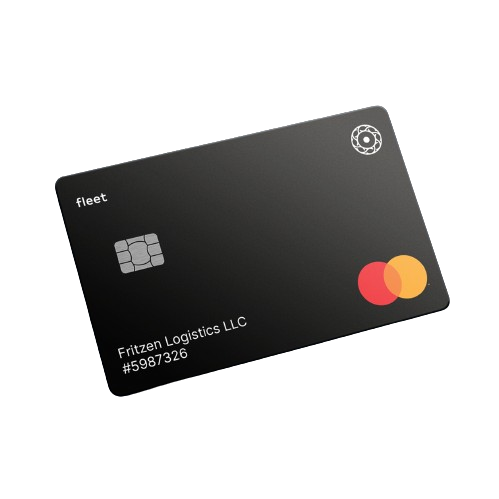
Fuel card technology, such as that offered by AtoB, is essential for efficient fleet management. It simplifies fuel procurement and enhances expense management, providing fleet managers with greater financial control.
Selecting the right fleet technology starts with understanding whether a solution aligns with a fleet’s operational priorities and long-term needs. Rather than adopting tools in isolation, many businesses evaluate fleet management solutions based on how well they support integration, visibility, and scalability across the organization.
When evaluating fleet management solutions, fleet owners and operators often look for technology that can:
Visibility is another important consideration. Platforms that bring together GPS tracking, telematics, and informatics into a single reporting environment help decision-makers review fleet activity without relying on multiple systems.
Ultimately, the right fleet technology should help simplify evaluation and adoption by bringing together tools and technology that make day-to-day fleet management easier to manage at scale.
Embracing advanced fleet technology is no longer optional; it is a necessity for staying competitive in the modern transportation industry. From enhanced safety and security to improved efficiency and significant cost savings, the benefits of integrating these technologies are clear. Fleet managers who adopt these innovations can look forward to a future of streamlined operations, greater control, and improved profitability.
By leveraging the power of advanced fleet technology, including fuel card solutions from providers like AtoB, fleets can navigate the complexities of modern transportation with confidence and efficiency.
Sources:
Telematica. Ensuring Road Safety And Fleet Efficiency Through Driver Behavior Monitoring. https://telematica.com.au/how-driver-behaviour-monitoring-systems-work/#
Trust Shoring. The Impact of Advanced Fleet Management Software. https://www.trustshoring.com/blog/the-impact-of-advanced-fleet-management-software/
IoT Business News. IoT in Fleet Management: Driving Efficiency and Safety. https://iotbusinessnews.com/2023/10/15/54344-iot-in-fleet-management-driving-efficiency-and-safety/

.jpg)